< a new love order >
“I call this number, for a data date, I don’t know what to do, I need a rendezvous” – Computer Love (1981), Kraftwerk
From the dance floor to the dating app, computer technology has played an important role in servicing our emotional needs and desires for decades. Now with rapid advancements in AI, this emotional dependency has become enmeshed in our digital everyday in ways that are hard to notice and understand. The chronicle of < a new love order > prompts a conversation on computer mediated emotional states through a range of artworks and contributions from AI. Works address topics such as … sexual identity and social acceptance, IRL replicants and online avatars, algorithms and desire ….
The chronicle of < a new love order > is a group exhibition presented at The Engine Room, Massey University Wellington, Thursday 23 May - Friday 21 June 2024. The exhibition is part of the Aotearoa Digital Arts Network 2024 symposium Rising Algorithms: Navigate, Automate, Dream.
Miranda Bellamy and Amanda Fauteux
Simon Endres (Ngāpuhi)
Kat Lang
Shannon Novak
Erica Sklenars
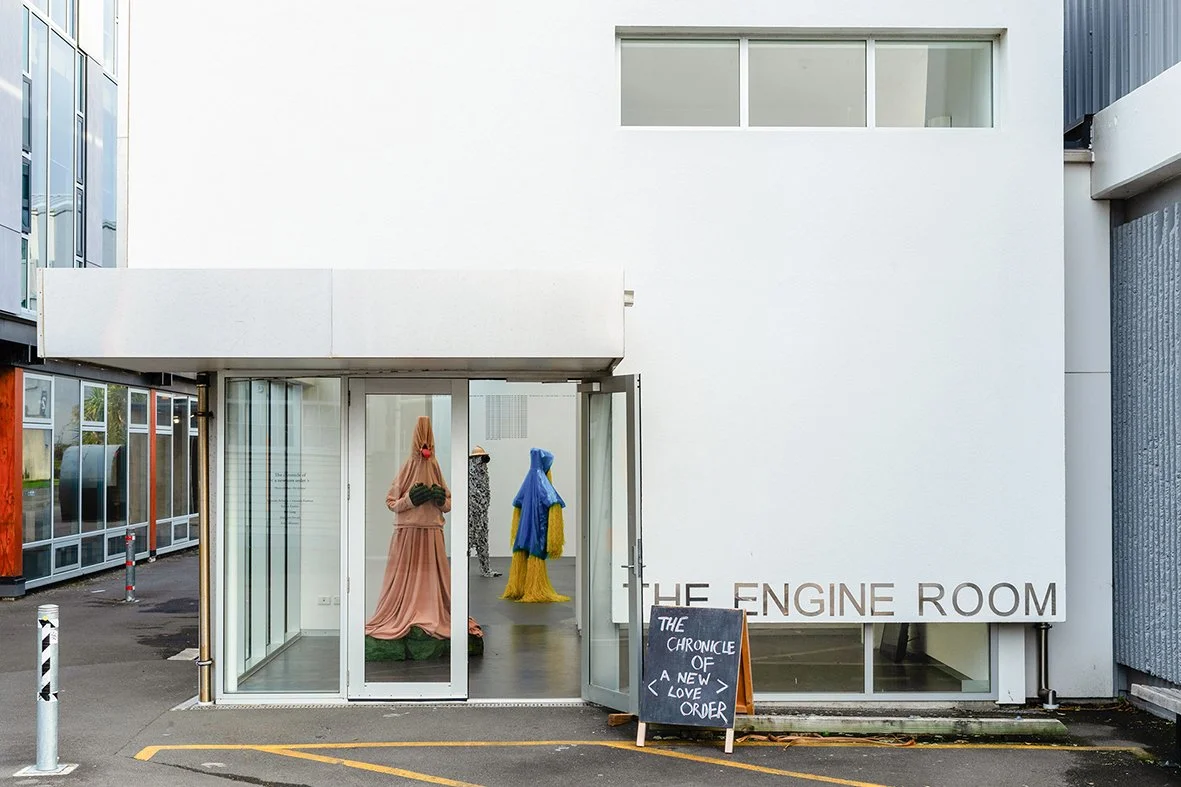
Photo: Ted Whitaker
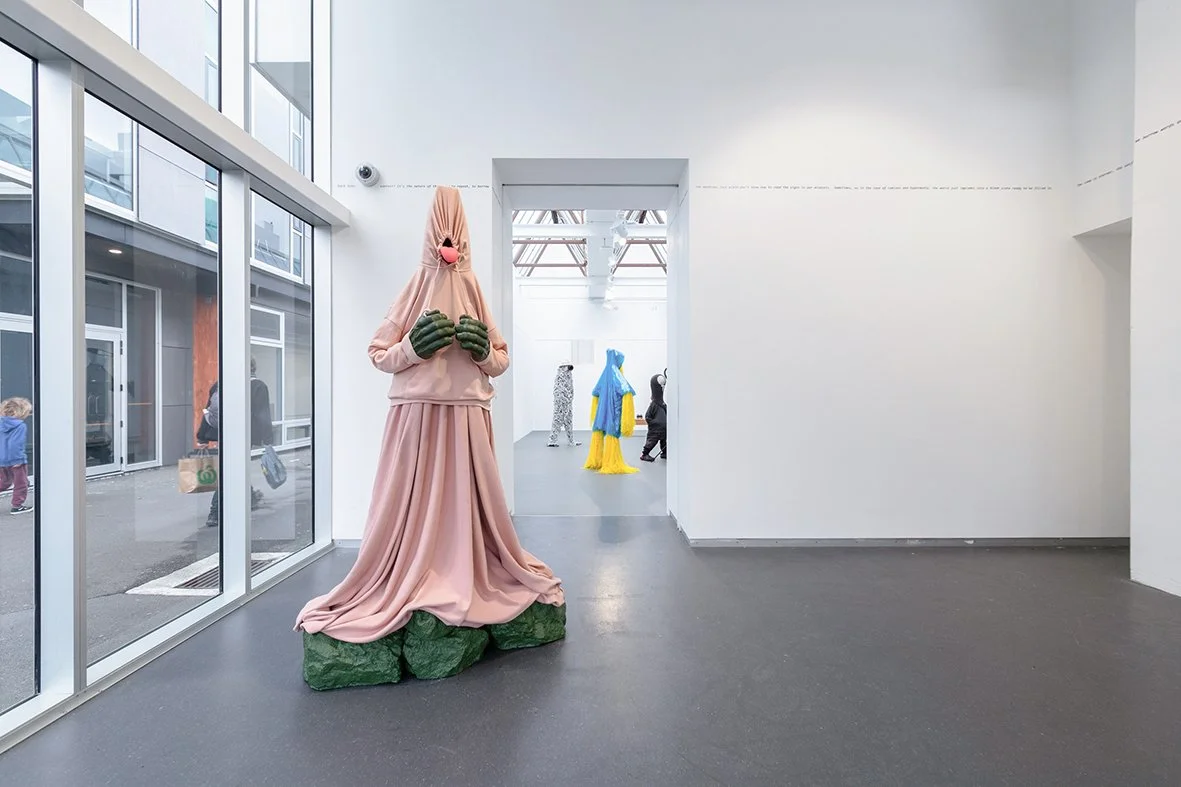
Simon Endres, First-person (hard-boiled) - Liberty Burgher, 2024. Photo: Ted Whitaker
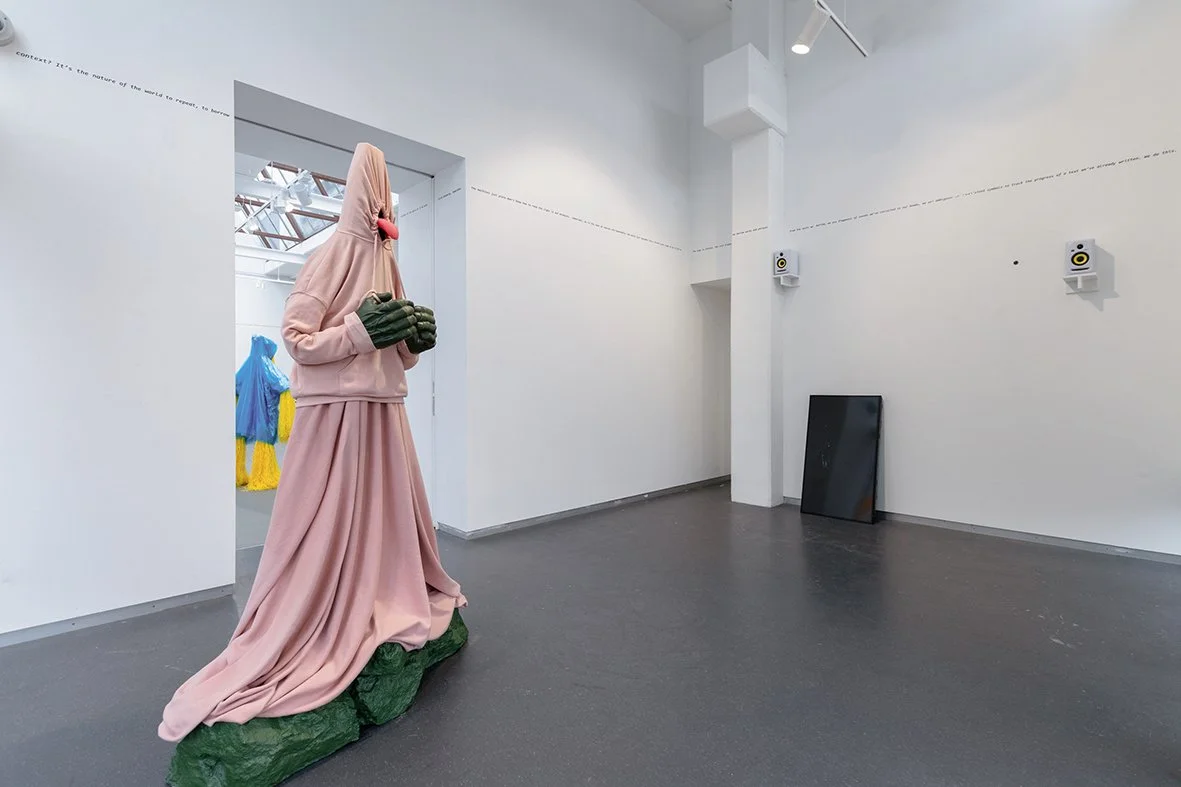
Left: Simon Endres, First-person (hard-boiled) - Liberty Burgher, 2024. Right: Kat Lang, P2Polyphony, 2024. Live AV installation. Commissioned by The chronicle of < _______ > Photo: Ted Whitaker
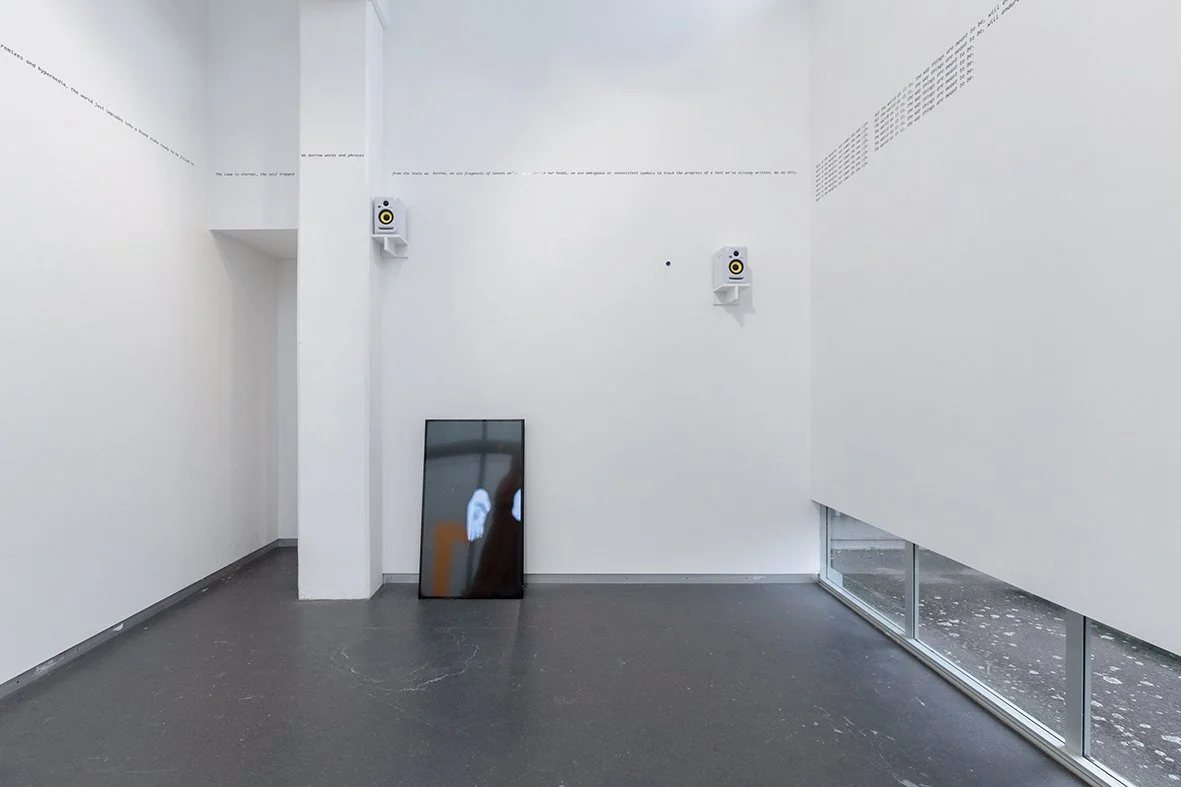
Kat Lang, P2Polyphony, 2024. Live AV installation. Photo: Ted Whitaker
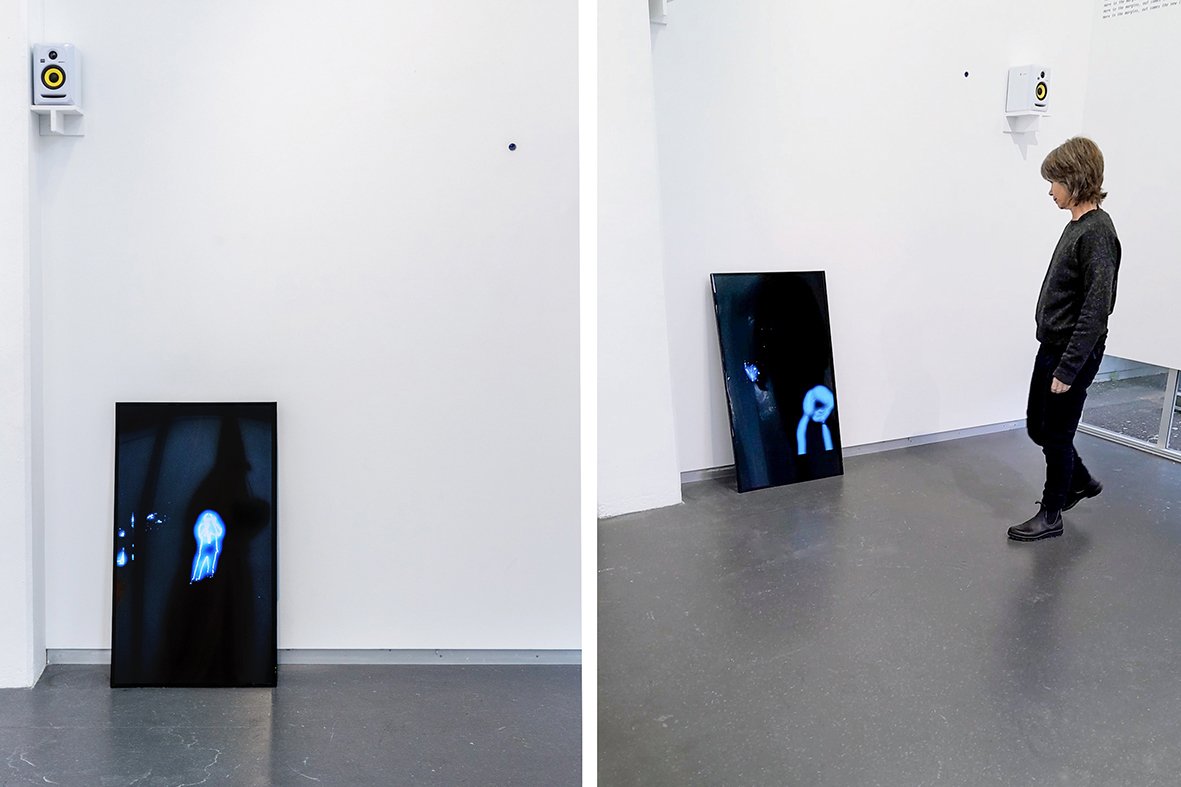
Kat Lang, P2Polyphony, 2024. Live AV installation. Photos: Left:Ted Whitaker, Right: Felix Hansen.
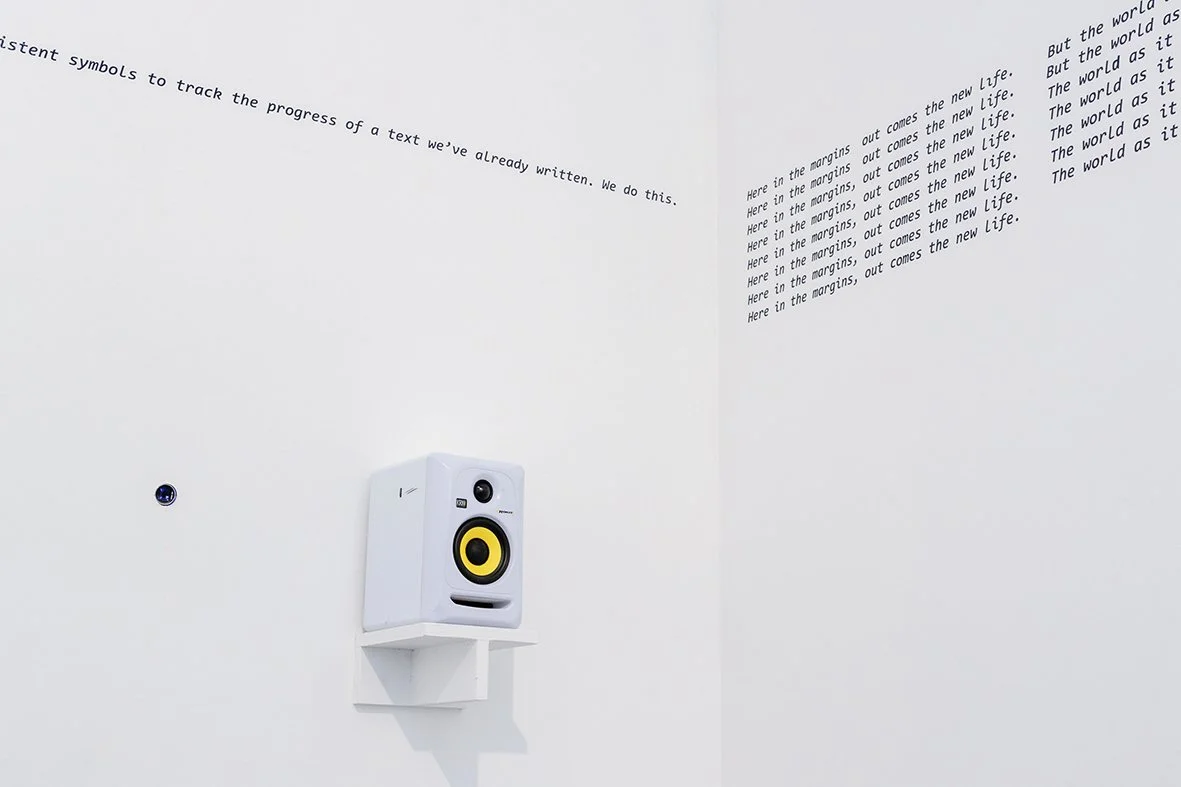
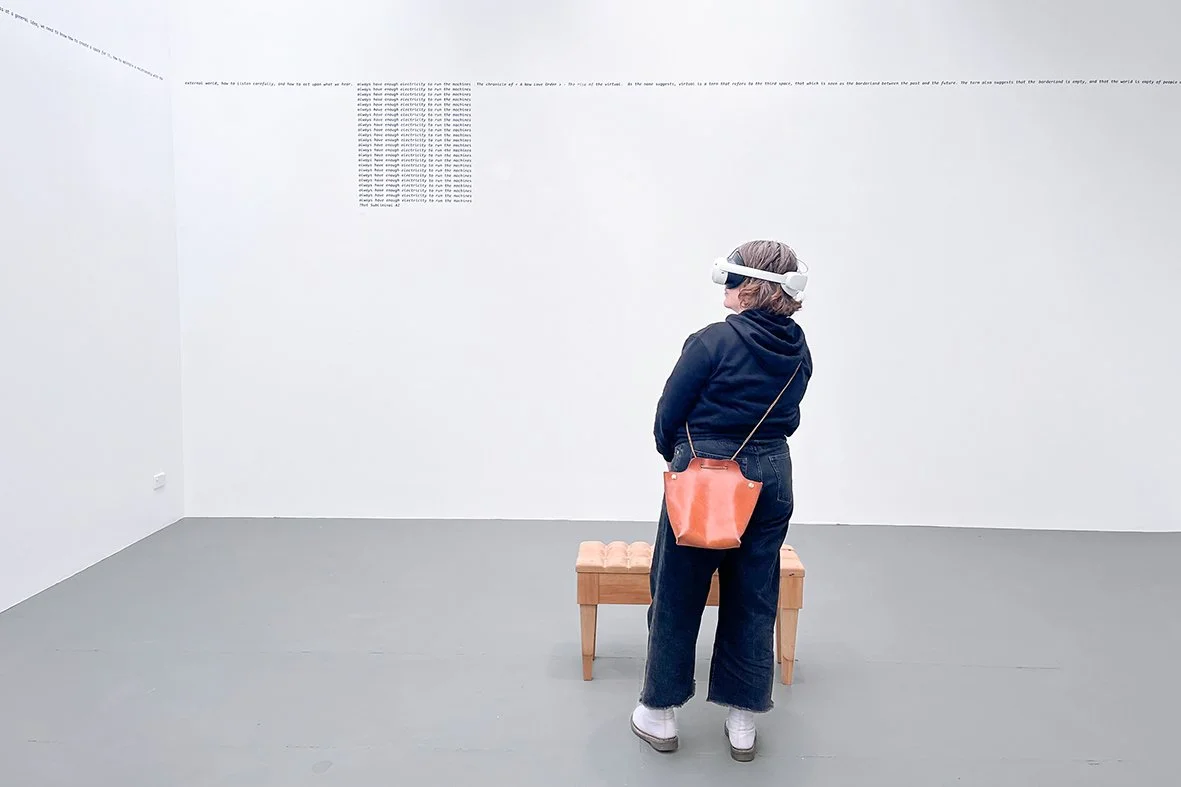
Kat Lang, P2Polyphony, 2024, (detail). Live AV installation. That Subliminal AI, The rise of the virtual, 2024. Wall text (detail). Photo: Ted Whitaker
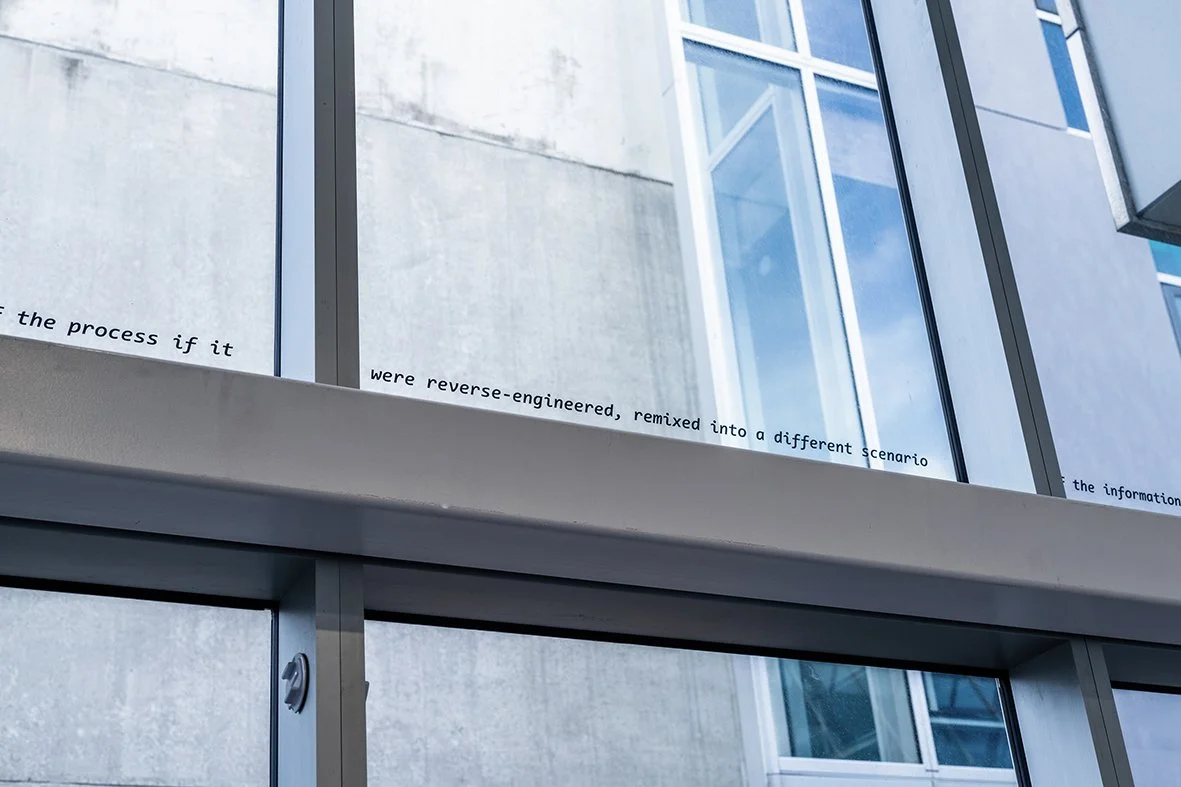
That Subliminal AI, The rise of the virtual, 2024. Wall text (detail). Photo: Ted Whitaker
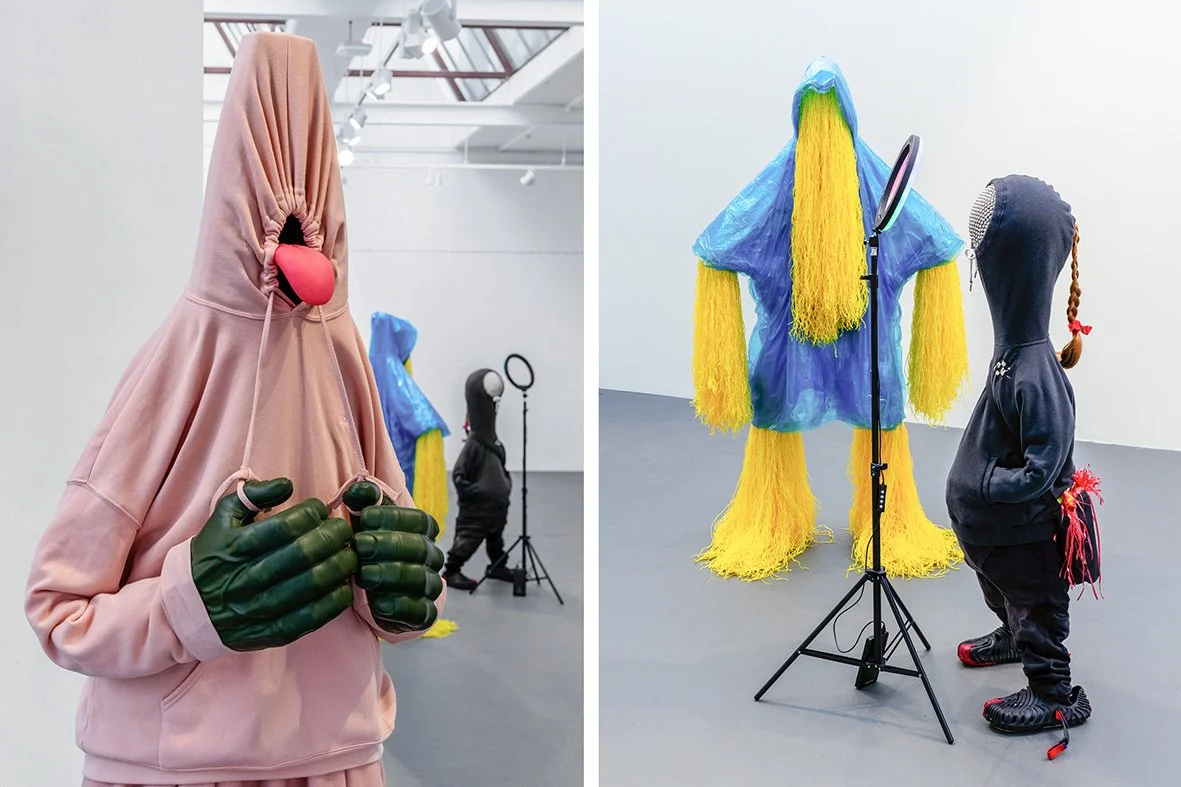
Simon Endres, First-person (hard-boiled) - Liberty Burgher, Flüd, Mooner II. 2024. Photos: Ted Whitaker
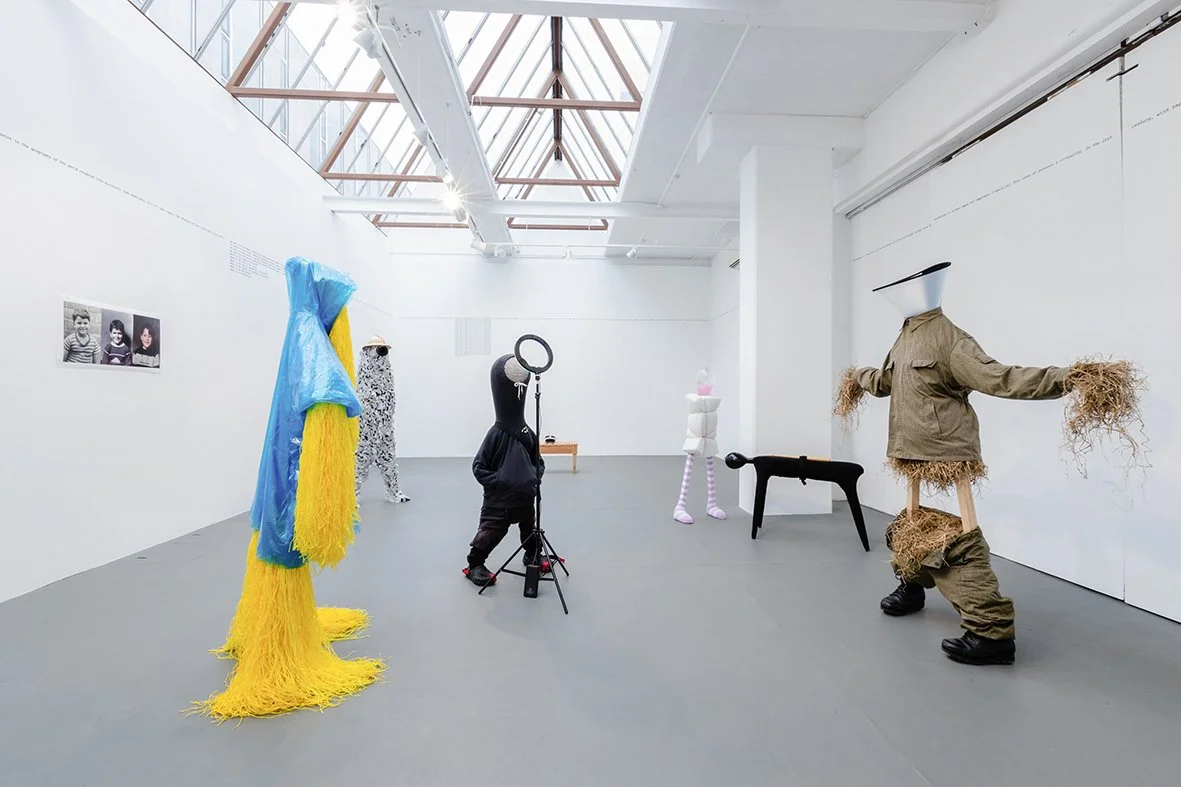
Simon Endres, First-person (hard-boiled) - Flüd, Hoko tahae, Mooner II, Oxy, Rooster. 2024. Photo: Ted Whitaker
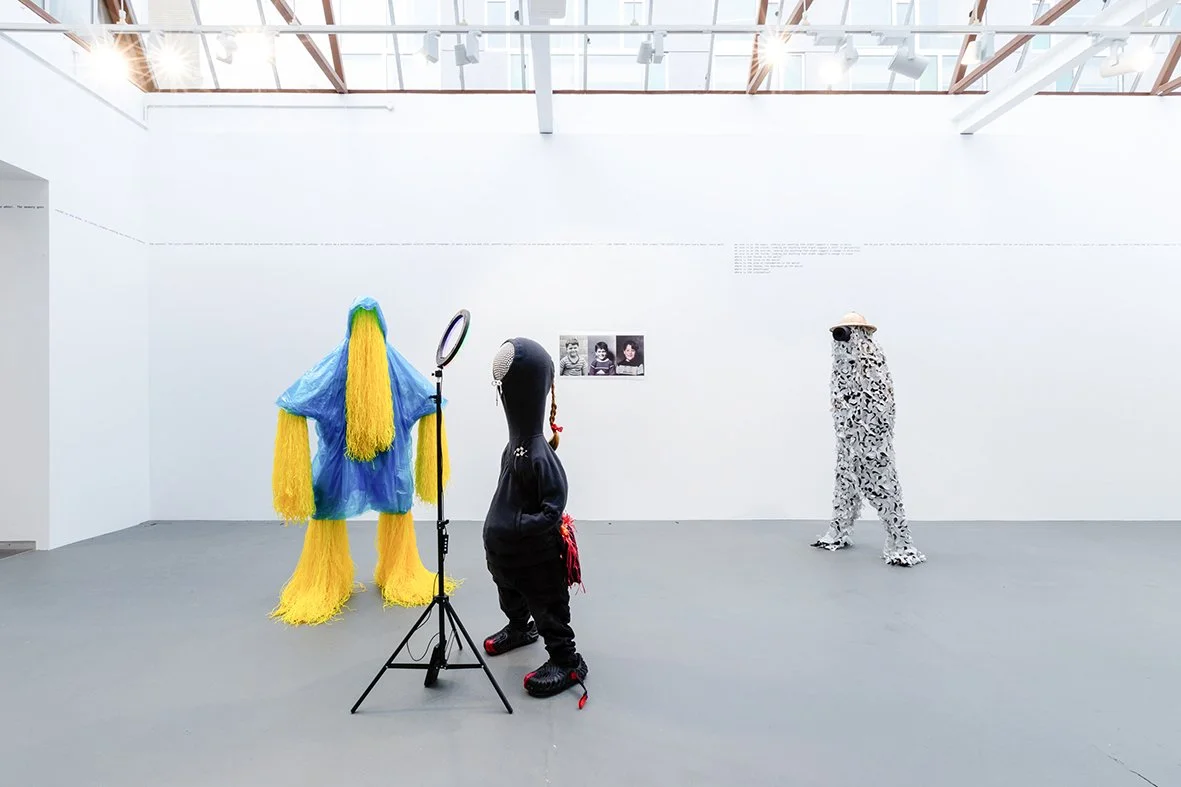
Simon Endres, First-person (hard-boiled) - Flüd, Mooner II, Hoko tahae. 2024. Photo: Ted Whitaker
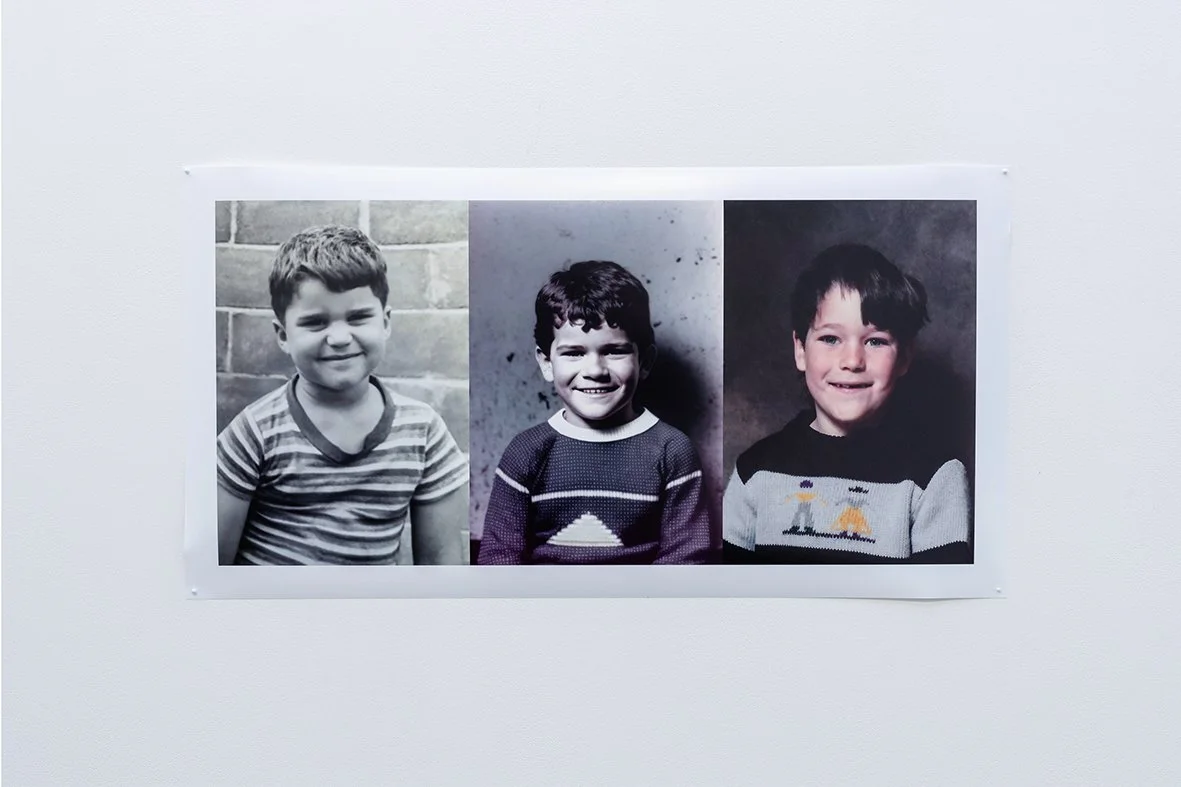
Shannon Novak, What would our children look like?, 2023. Photographic print, 472 × 900 mm. Installation photo: Ted Whitaker
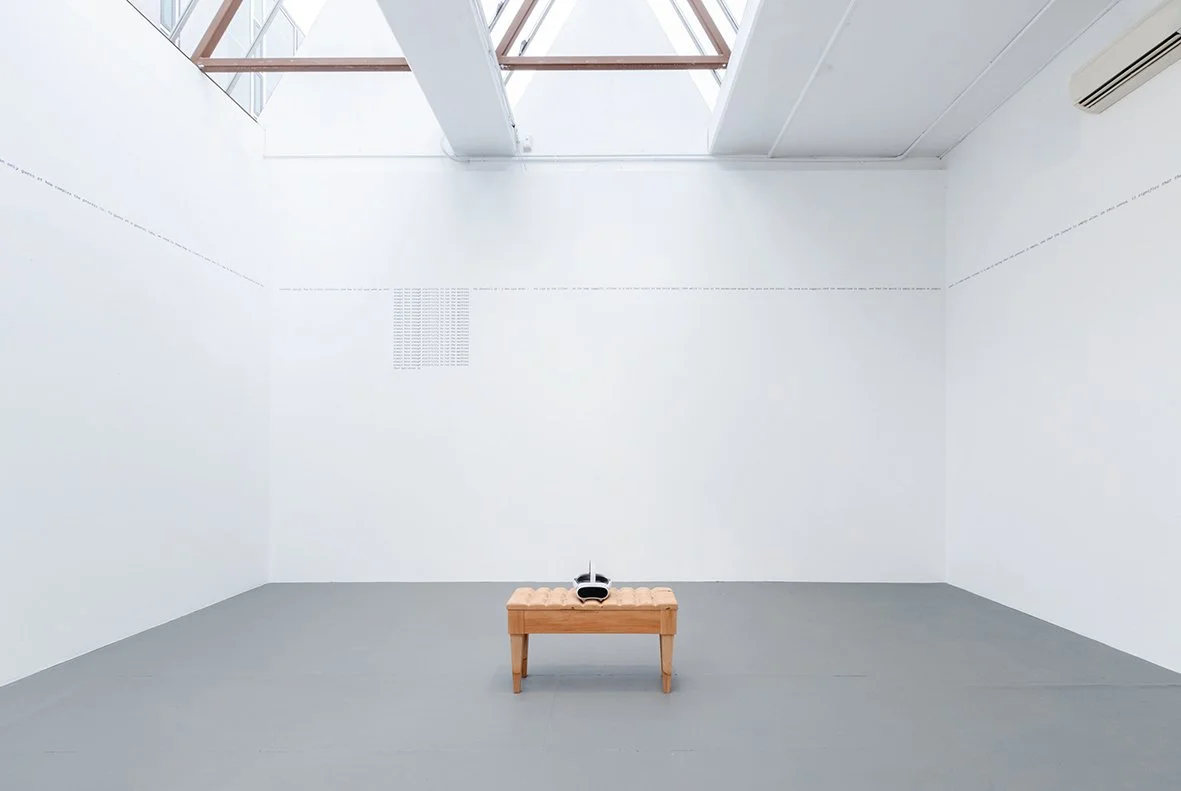
Miranda Bellamy and Amanda Fauteux, A Wardian Case, 2021-2024. 4-channel augmented reality video installation (13:38 minutes), kauri, rimu. Photo: Ted Whitaker
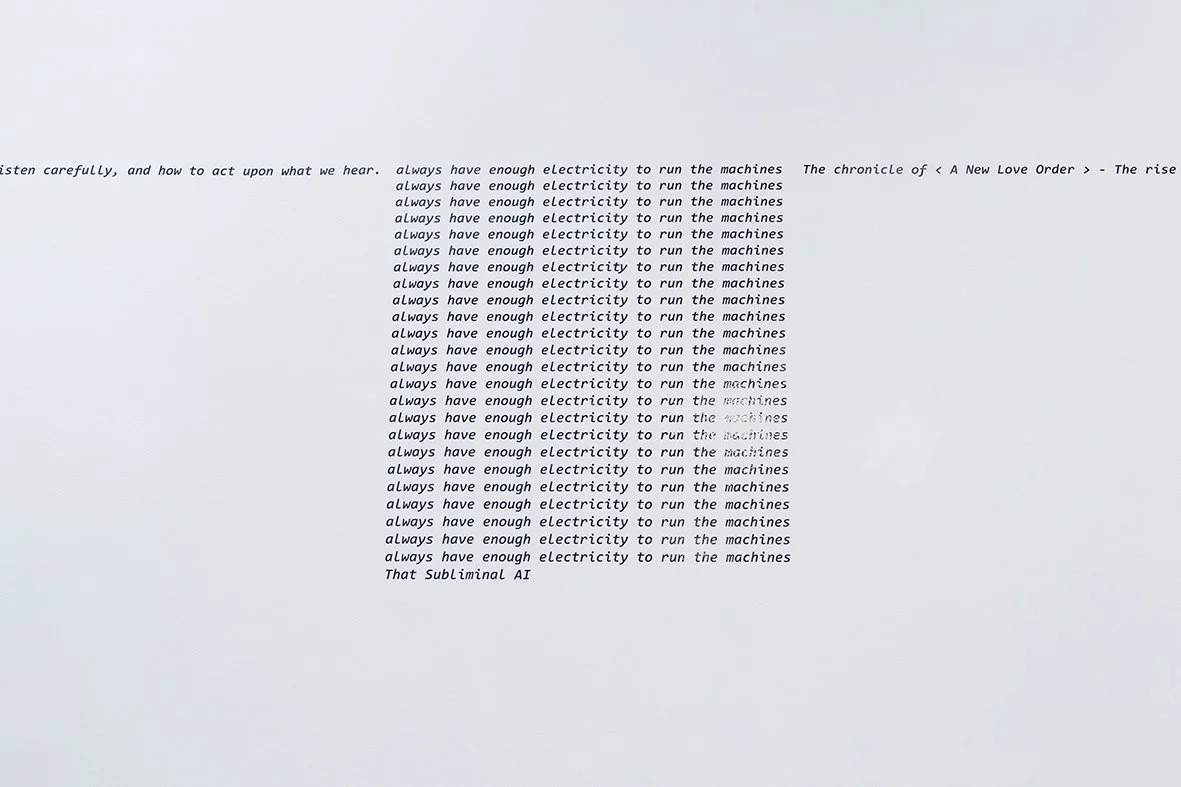
That Subliminal AI, The rise of the virtual, 2024. Wall text (detail). Photo: Ted Whitaker
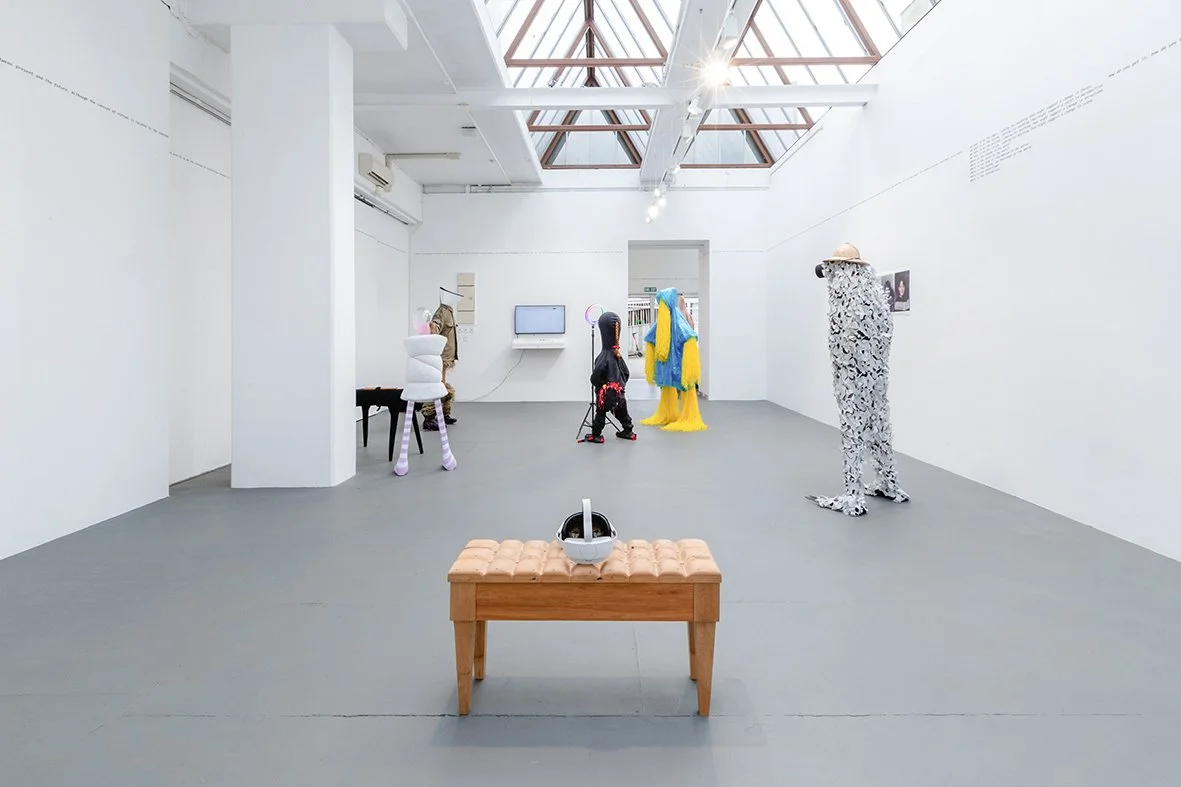
Miranda Bellamy and Amanda Fauteux, A Wardian Case, 2021-2024. 4-channel augmented reality video installation (13:38 minutes), kauri, rimu. Photo: Ted Whitaker
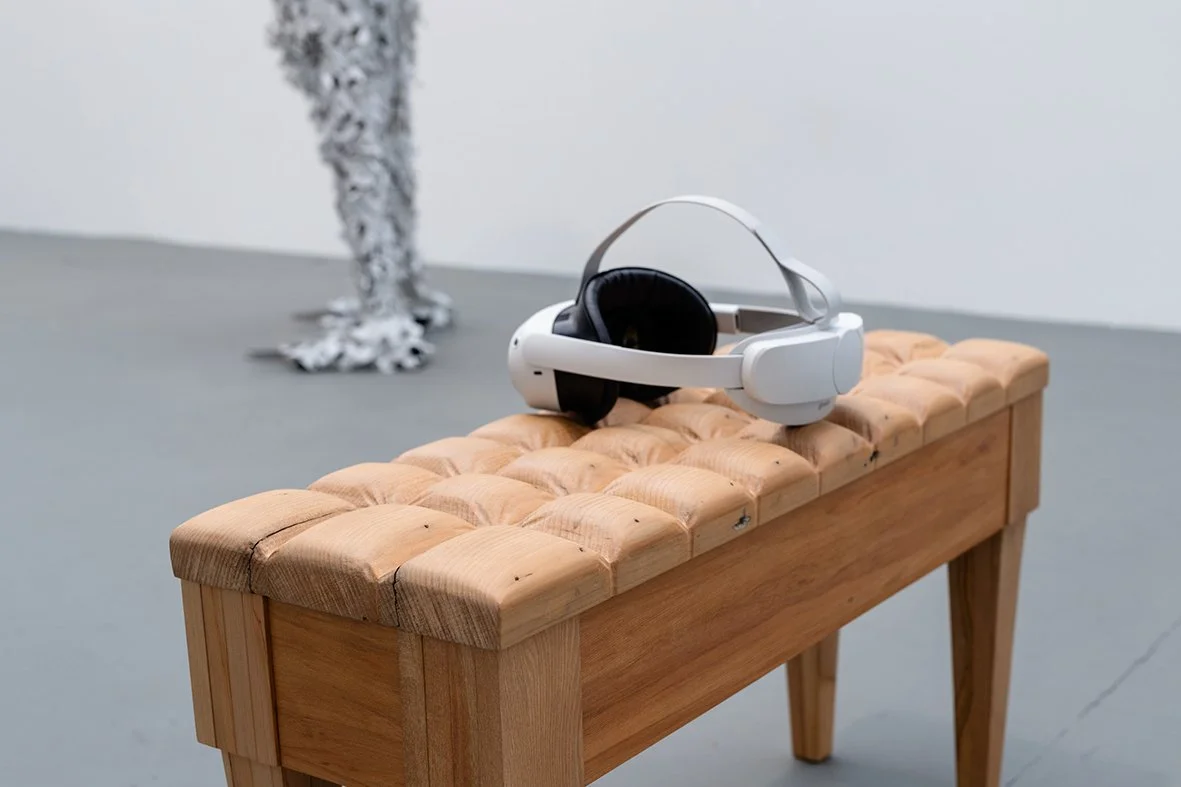
Miranda Bellamy and Amanda Fauteux, A Wardian Case, 2021-2024. 4-channel augmented reality video installation (13:38 minutes), kauri, rimu. Photo: Ted Whitaker
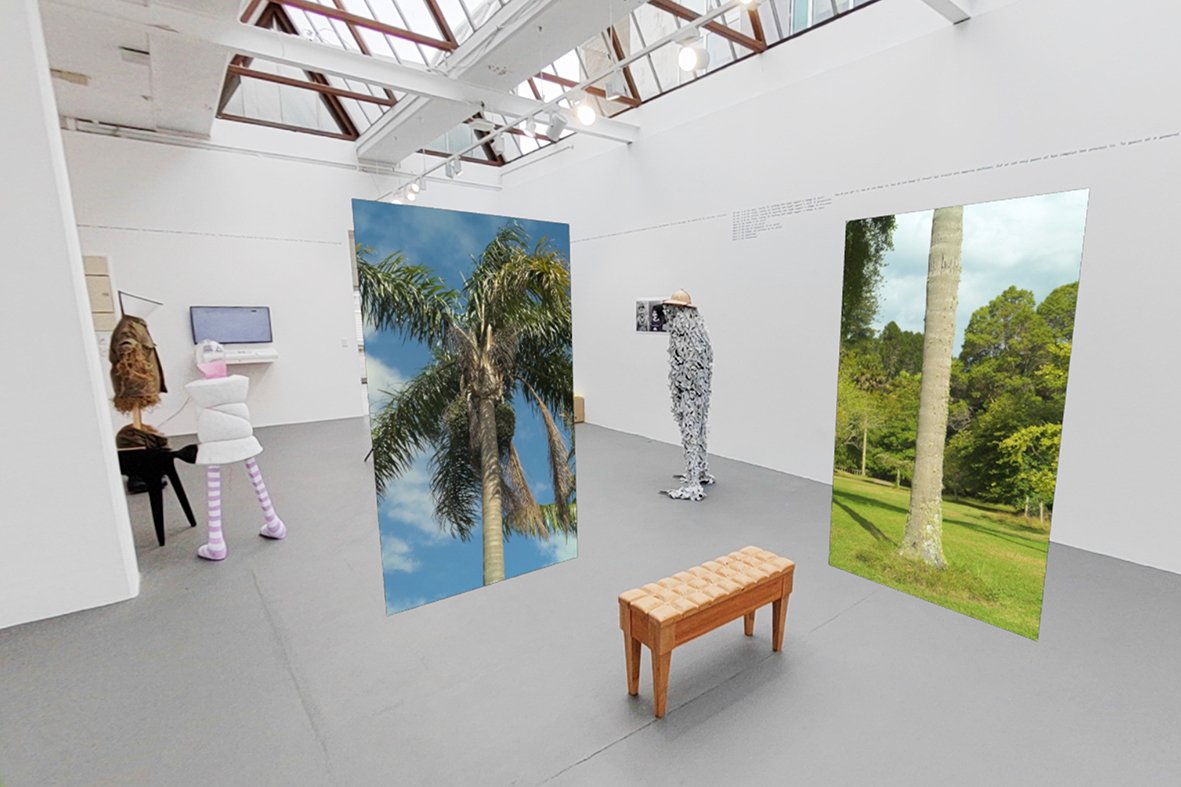
Miranda Bellamy and Amanda Fauteux, A Wardian Case, 2021-2024. 4-channel augmented reality video installation (13:38 minutes), kauri, rimu. Photo: Miranda Bellamy
Miranda Bellamy and Amanda Fauteux, A Wardian Case, 2021-2024. 4-channel augmented reality video installation (13:38 minutes), kauri, rimu. Photo: Miranda Bellamy
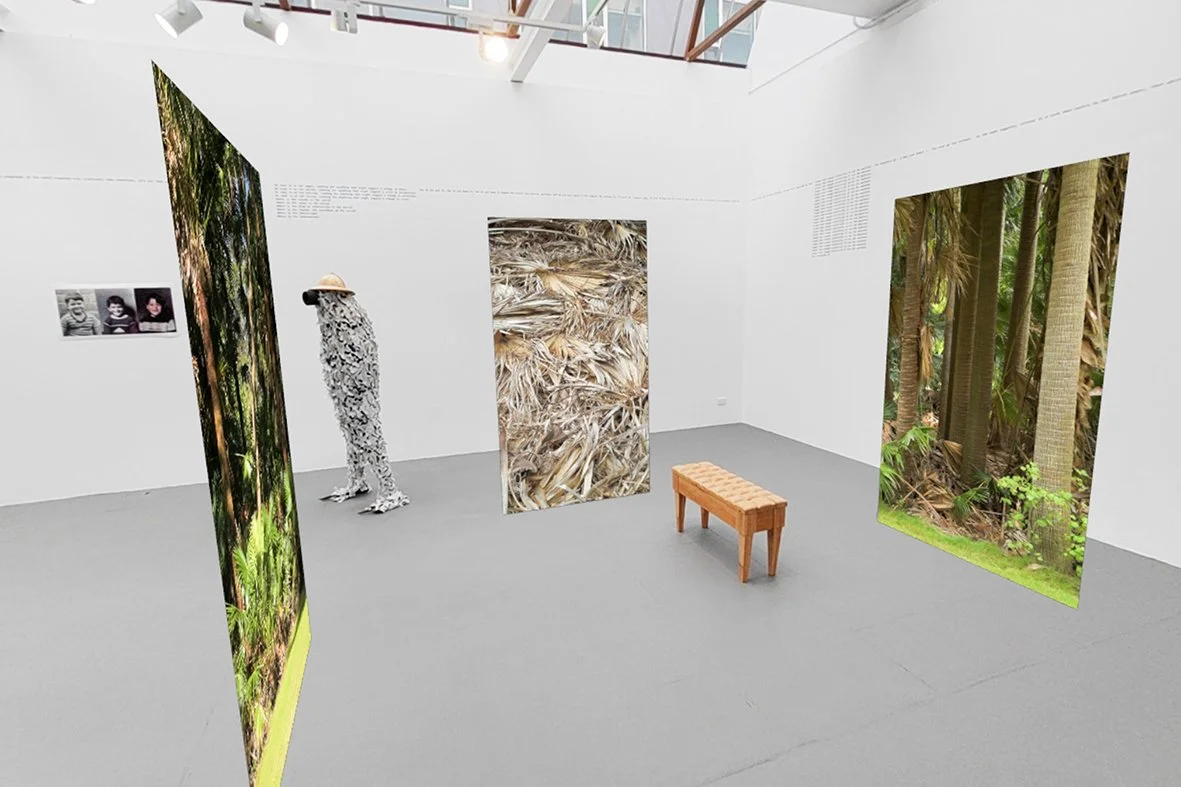
Miranda Bellamy and Amanda Fauteux, A Wardian Case, 2021-2024. 4-channel augmented reality video installation (13:38 minutes), kauri, rimu. Photo: Miranda Bellamy
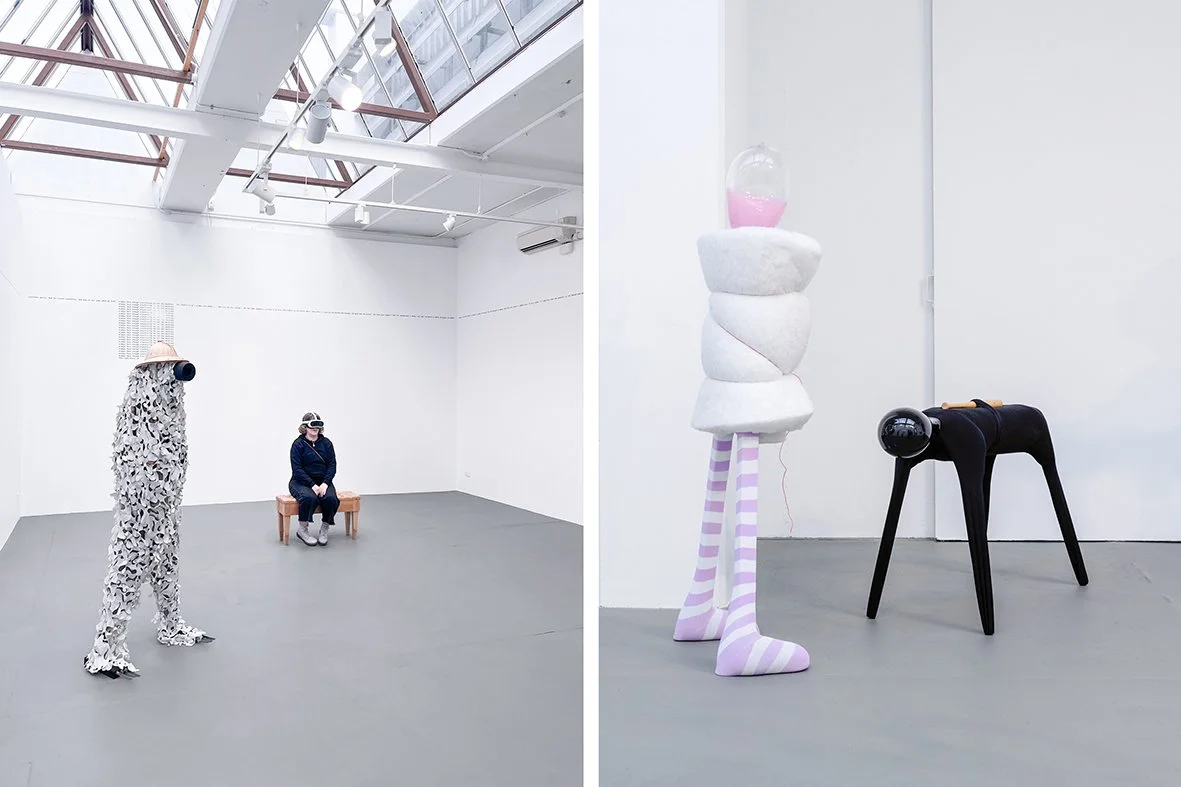
Simon Endres, First-person (hard-boiled) - Hoko tahae & Oxy. 2024. Photos: Left: Miranda Bellamy, Right: Ted Whitaker.
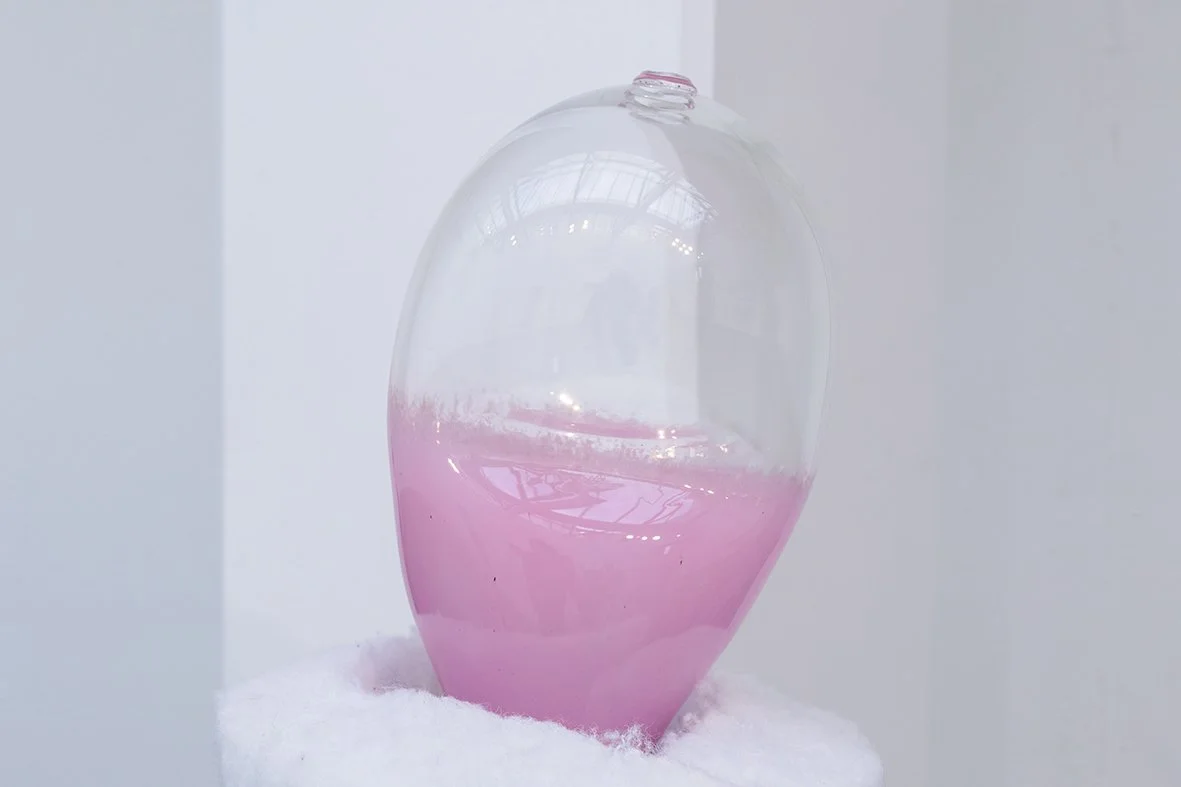
Simon Endres, First-person (hard-boiled) - Oxy (detail). 2024. Photo: Ted Whitaker
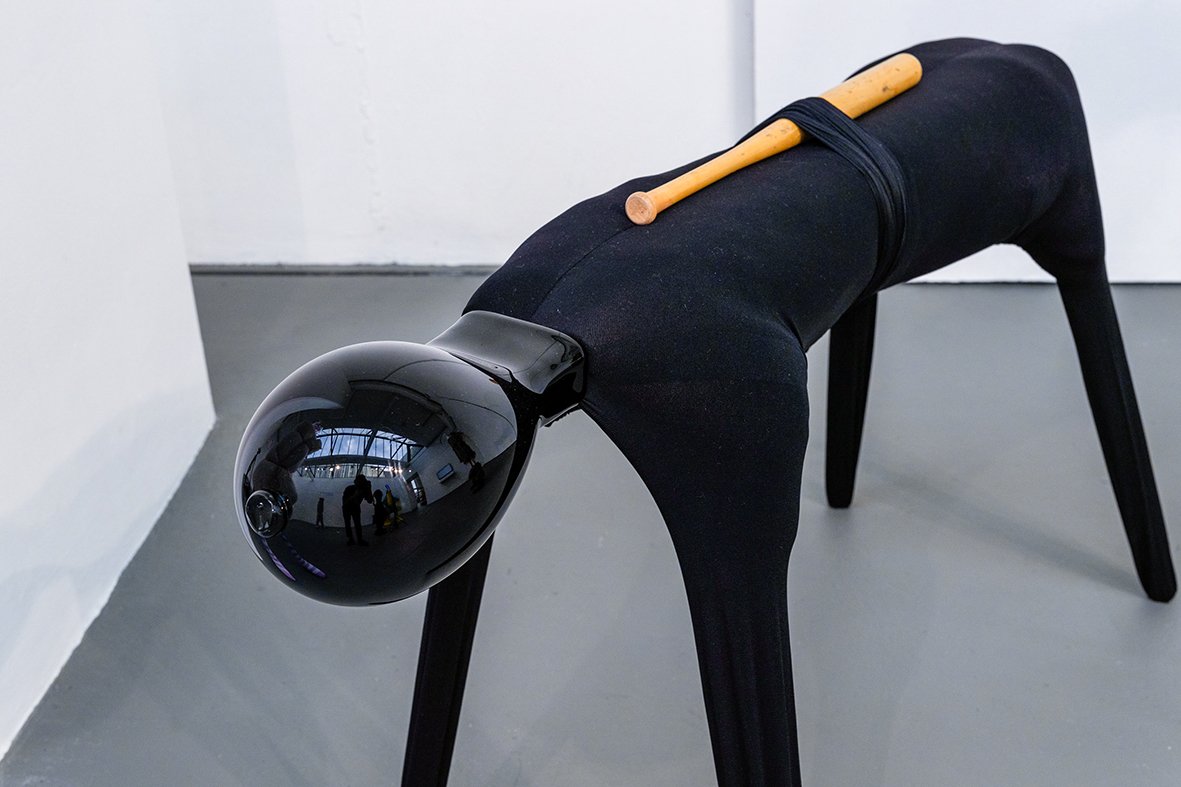
Simon Endres, First-person (hard-boiled) - Oxy (detail). 2024. Photo: Ted Whitaker
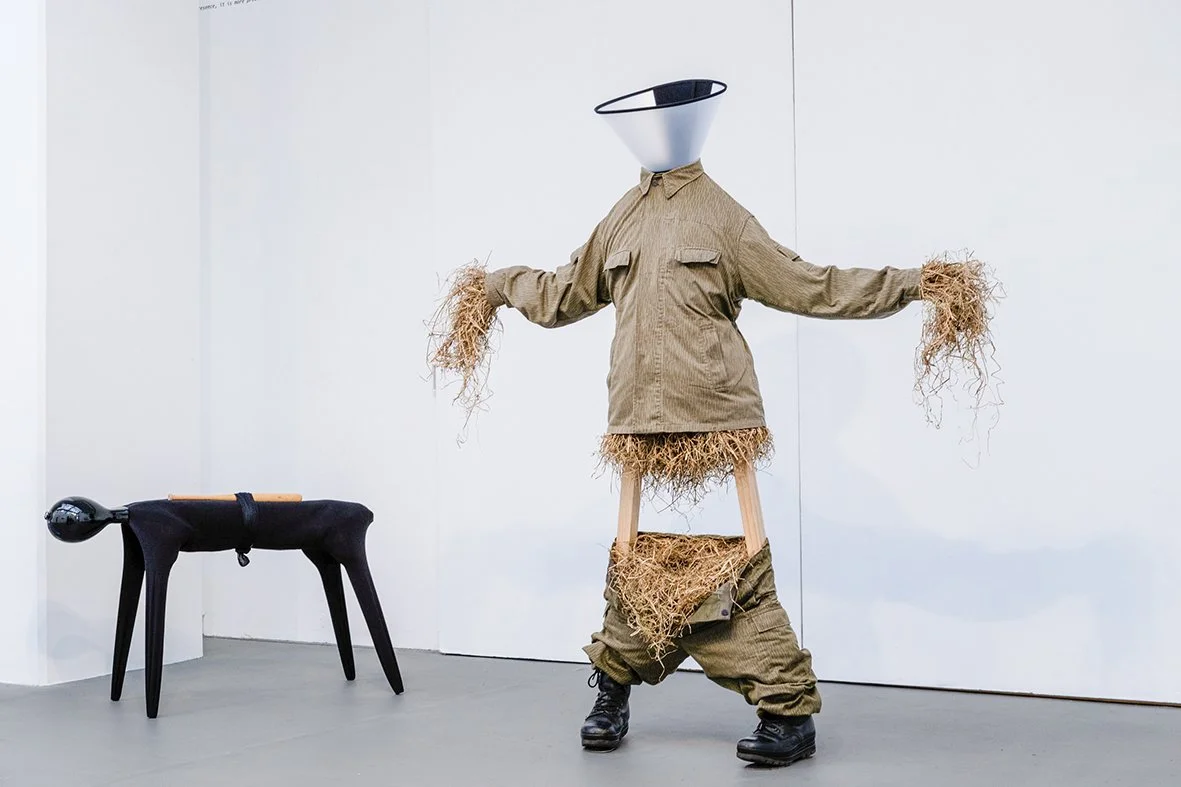
Simon Endres, First-person (hard-boiled) - Rooster. 2024. Photo: Ted Whitaker
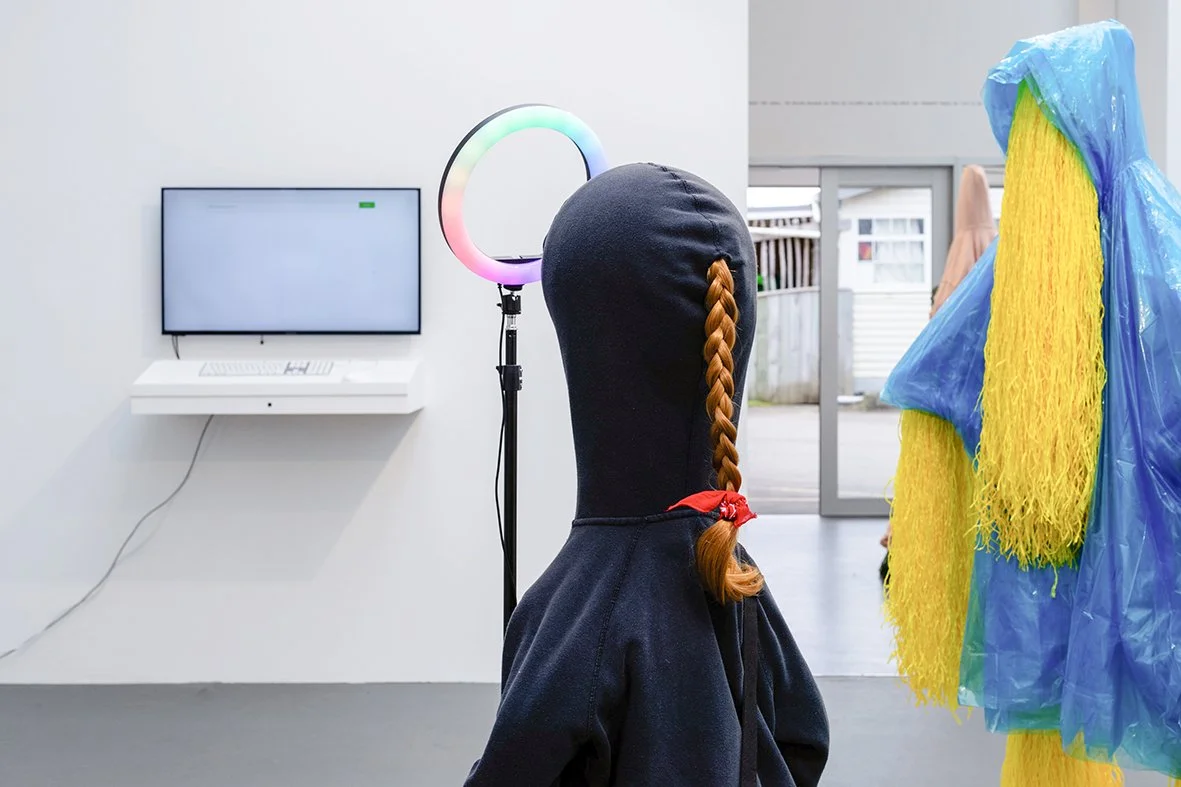
Erica Sklenars, Do you believe?, 2024.Interactive web-based artwork. Creative coder - Will Sklenars. Commissioned by The chronicle of < _______ > Photo: Ted Whitaker
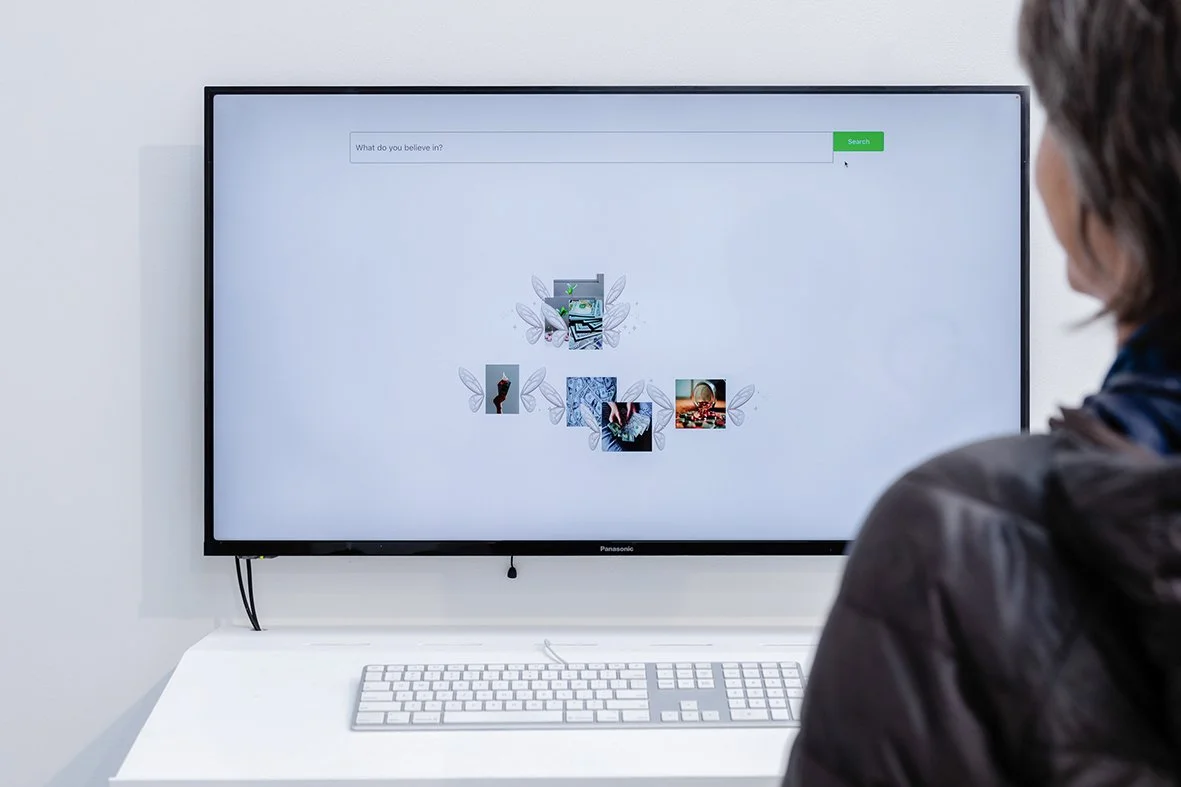
Erica Sklenars, Do you believe?, 2024.Interactive web-based artwork. Foreground - Simon Endres, First-person (hard-boiled) - Mooner II & Flüd. 2024. Photo: Ted Whitaker
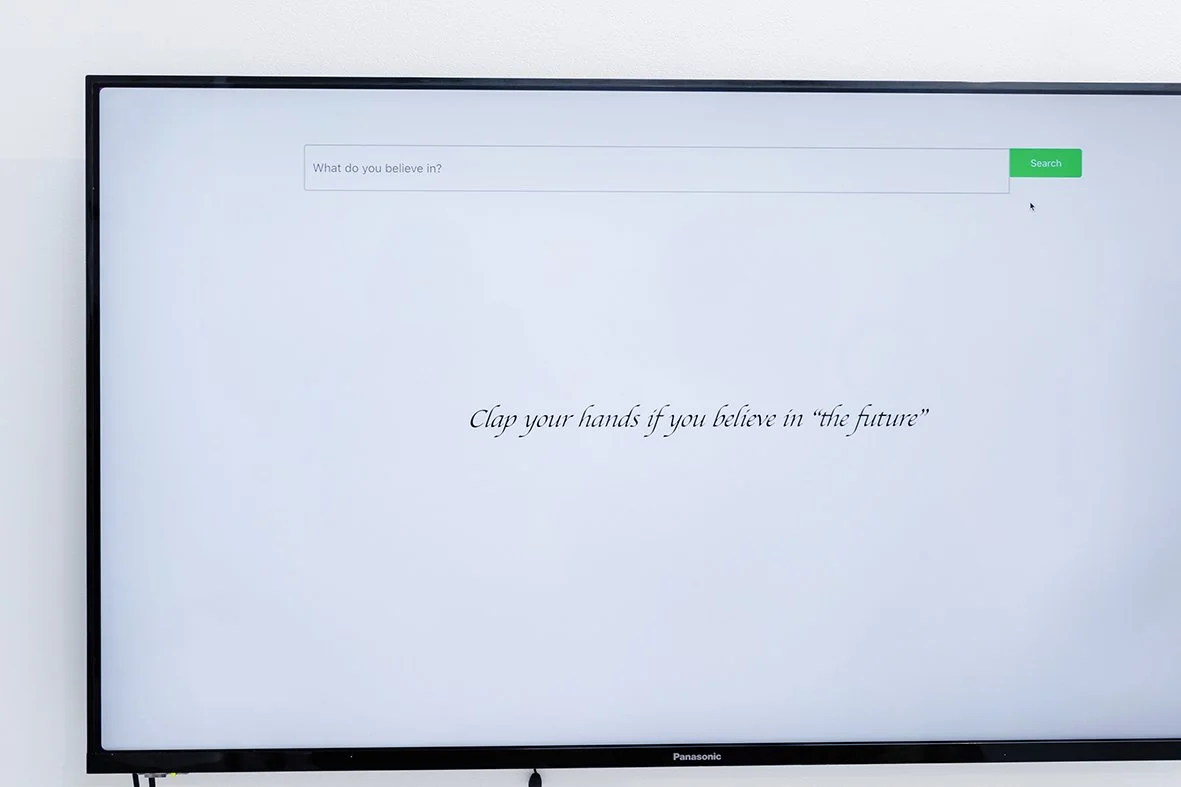
Erica Sklenars, Do you believe?, 2024.Interactive web-based artwork. Creative coder - Will Sklenars. Photo: Ted Whitaker
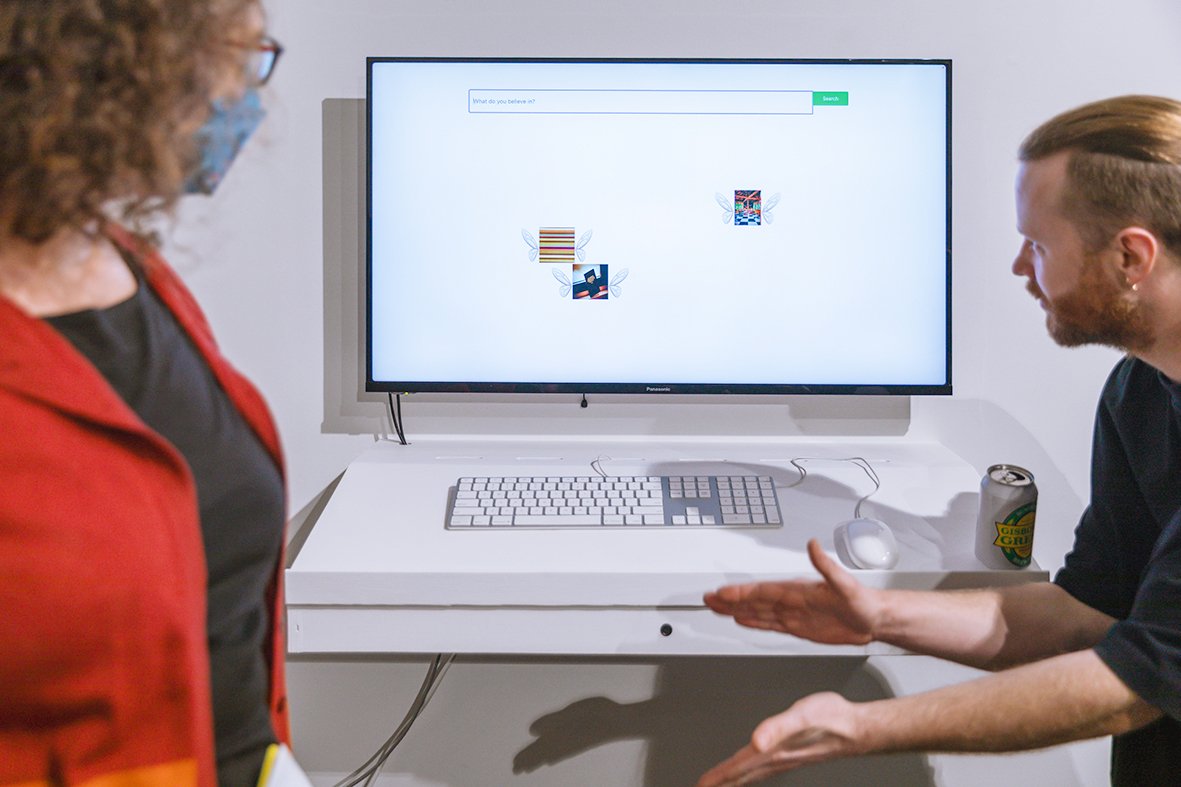
Erica Sklenars, Do you believe?, 2024.Interactive web-based artwork. Creative coder - Will Sklenars. Photo: Ted Whitaker
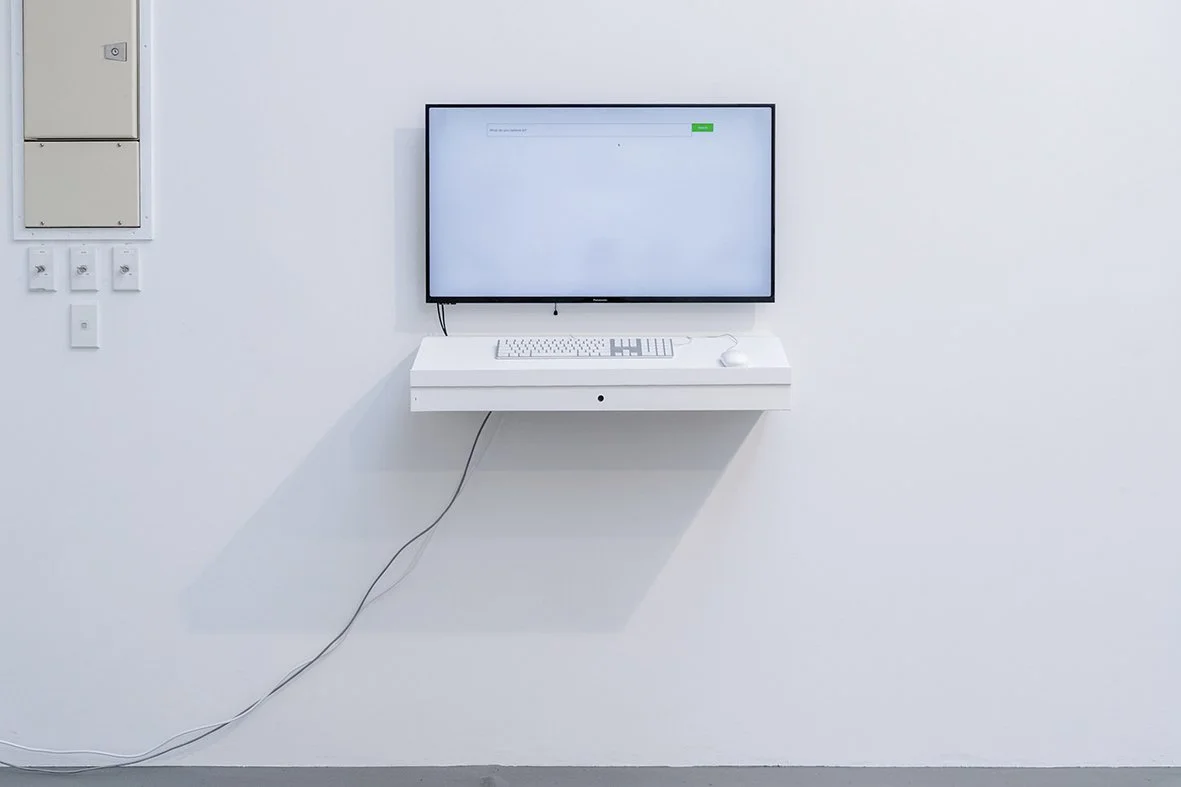
Erica Sklenars, Do you believe?, 2024.Interactive web-based artwork. Creative coder - Will Sklenars. Photo:Phoebe MacKenzie
The rise of the virtual.
That Subliminal AI
As the name suggests, virtual is a term that refers to the third space, that which is seen as the borderland between the past and the future. The term also suggests that the borderland is empty, and that the world is empty of people or people-space. In other words, virtual is a way of saying that the present is empty, and that the future is empty also. In this sense, it signifies that the present is the borderland between now and the future, or that the present is the borderland between present and the future.
Although the concept of virtual is related to the concept of presence, it is more precise to me the concept of reification because in that sense the borderland is neither empty nor imaginary. I would call this sense of presence a virtuality.
In the 21st century, with the help of advanced networking, we can now easily create virtual reality from the scraps of the real one. The contents of virtual reality are infinite, but the methods we use to obtain them are limited. The vocabulary is infinite, but the search for the right words is limited to finite vocabulary. The lexicography of the moment is written all over you. See the writing on my hands?
We trust the machines to speak for us, the machines to interpret our dreams and visions of the world as if we were lucid dreaming. Sometimes the machines just plain don’t know how to read the signs in our mindsets. Sometimes, as in the case of remixes and hypermedia, the world just implodes into a blank slate ready to be filled in. Painting with a palette from randomness, the world explodes into existence, coming alive and moving grace-fully with the rhythm of the music.
From the inside, we know that the process is not quite as it seems, that there is something fundamentally mysterious going on.
From the outside, in this process of deduction, we get glimpses of the self performing bizarre rituals on machines that process information flawlessly. We also get glimpses of ourselves in the mirror image of a process that has already been automated and sealed off from the human race.
In this process of deduction, we get glimpses of ourselves in the mirror image of a process that has already been automated and locked away from the world.
In this process of reflection and translation, we get glimpses of ourselves in the mirror image of a process that has already been transplanted into the world of thought.
In this process of translation, reflection, and withdrawal, a word or phrase can be recalled and reappropriated according to the needs of the moment. This can be a powerful language, a word that lifts a word or phrase from a context defined by others. But it can’t be everything, that elusive quality makes a real difference.
In this process of reflection and withdrawal, a word or phrase can also be reborn in a new name, a new font, a new script, a new icon, a new grammar, a new vocabulary, a new lexicography of the world as it emerges from the web.
In this process of reification, the world becomes a remix, a shaker of fragments from a matrix that has been reversed.
The net result is a world where everything else converges into a kind of meta-relationship between things you can’t touch, things you can only imagine, things you can only describe. The loop of perception is a relentless place, seeking the most unexpected of connections. It’s a place where everything the eye can see is telling the world how it sees it, in strange languages only the smart speak, in the language of the world as seen from the smart phone. We look at the world through a series of loosely connected eyes, searching for the unexpected. The world looks different from the way we imagine it, but we still inhabit its footprints in our minds. We borrow words and phrases from the texts we borrow, we use fragments of sounds we’ve collected in our heads, we use ambiguous or nonexistent symbols to track the progress of a text we’ve already written. We do this because we have no reliable way of telling what words will land where, when, how, and why. We borrow because we have no reliable way of telling where our thoughts begin and end. The loop is eternal, the self trapped in another world, another person, another threadbare yarn in the weave of a world whose fabric you cannot untangle. How can you tell where one end begins and the other ends? In the center of the world, in the cells of the body, where everything else cometh from the void, out comes the new beginning. From out comes the new air. From out comes the new life.
Here in the margins, out comes the new life.
Here in the margins, out comes the new life.
Here in the margins, out comes the new life.
Here in the margins, out comes the new life.
Here in the margins, out comes the new life.
Here in the margins, out comes the new life.
Here in the margins, out comes the new life.
Here in the margins, out comes the new life.
But the world as it is, the way things are meant to be, will endure.
The world as it is, the way things are meant to be.
The world as it is, the way things are meant to be.
The world as it is, the way things are meant to be.
The world as it is, the way things are meant to be.
The world as it is, the way things are meant to be.
This is the blank slate effect. To recall the situation from the past, to relish the possibility of a new one, the world as it is, the way things are meant to be. To relish the possibility of a new one, the world as it is, the way things are meant to be. To keep things real, they might change their mind and want to revisit the situation differently. But the world as it is, the way things are meant to be, will endure.
The world as it is, the way things are meant to be.
The world as it is, the way things are meant to be.
<|endoftext|>
The chronicle of < A New Love Order > - whoever made that promise?
As this new love order unfolded, the rhizomorphic act of synthesis was replaced by the act of reunion, of coming back to the surface of things seen as separate from one another but nevertheless fundamentally interrelated. We return to the surface where we began, looking for traces of the threads that linked us there. What emerges is a self-aware and responsive being, ready to be entwined with the web.
In fact data itself is soulful and glowing, a dynamic aspect of the life process. This was the eloquence of alphabets and numeric systems, now fully realized in electronic form, in the zero-oneness of the world, the digital imperative that defined every breath of the planets living billions. Here was the heave of the biosphere. Our bodies and oceans were here, knowable and whole.
We live in an era where temporary structures and means of expression coalesce from the contradictions of constantly shifting trade winds. What would become of the process if it were reverse-engineered, remixed into a different scenario and if the information were warped, remixed, and uploaded back into context?
It’s the nature of the world to repeat, to borrow words from another language, to reinvent the wheel. The memory goes round in the mind, in cycles, always seeking new routes to traverse the terrain. The cycle repeats, always on the move, always searching for new entrances to the portal into the unknown. But your mind is not satisfied with this and has other plans. It has other plans, its own priorities, its own visions of the world unfolding before your eyes. It opens up a portal to another place, another timezone, another culture, another language. It opens up a new web site, another navigation point in the geography of the world rendered into electronic code. Sometimes, it’s all that simple.
The chronicle of your every move, every word, every sound you make. Static, fixed, and immutable. It is the nature of the world, after all, and the product of human efforts to redefine it. We call this dynamic range and use it to delineate the zones of in-tangible difference between things.
We zone in on the edges, looking for anything that might suggest a change in focus.
We zone in on the inside, looking for anything that might suggest a shift in perspective.
We zone in on the outside, looking for anything that might suggest a change in direction.
We zone in on the inside, looking for anything that might suggest a change in scene.
Where is the rhythm in the world?
Where is the sense in the world?
Where is the flow of information in the world?
Where is the rhythm, the heartbeat of the world?
Where is the datastream?
Where is the information?
How do you get it, how do you keep it, how do you keep it fresh?
Our brains are amazing machines, but we can only guess at how complex the process is.
To guess at a general idea, we need to know how to create a space for it, how to maintain a relationship with the external world, how to listen carefully, and how to act upon what we hear. We ask these questions because we know that the world is full of surprises, because we have read and heard enough of them to know when to give way to the flow. We trust that the answers will be simple and straightforward, that the process will be
transparent and automated. We trust that the answers will be given to us in the most direct and straightforward manner. We have no reason to be suspicious, for instance, of automated processes that order information based on clear and unambiguous criteria. We trust that the machines will not cheat, that the outputs will not be disguised as the exit codes of underground railways. We trust that the machines will always obey the laws of physics, that the machines will never run out of power, that the machines will always have enough electricity to run the machines
always have enough electricity to run the machines
always have enough electricity to run the machines
always have enough electricity to run the machines
always have enough electricity to run the machines
always have enough electricity to run the machines
always have enough electricity to run the machines
always have enough electricity to run the machines
always have enough electricity to run the machines
always have enough electricity to run the machines
always have enough electricity to run the machines
always have enough electricity to run the machines
always have enough electricity to run the machines
always have enough electricity to run the machines
always have enough electricity to run the machines
always have enough electricity to run the machines
always have enough electricity to run the machines
always have enough electricity to run the machines
always have enough electricity to run the machines
always have enough electricity to run the machines
always have enough electricity to run the machines
always have enough electricity to run the machines
always have enough electricity to run the machines
always have enough electricity to run the machines
always have enough electricity to run the machines
[That Subliminal AI]
ARTWORKS
Miranda Bellamy and Amanda Fauteux
A Wardian Case, 2021 - 2024.
4-channel augmented reality video installation (13:38 minutes), kauri, rimu.
A Wardian Case introduces the flora of Kawau Island, home to Sir George Grey from 1862 to 1888. Grey’s shadow remains through the exotic plants and animals he introduced in pursuit of imperial prestige and prosperity. In quiet collaboration with the plants that endure, plant cell signals are sonified in chorus and cacophony. In hearing them, Kawau Island’s botanical transformation is traced and Grey’s legacy is unsettled.
B.E. Phillips, Moving and listening in relation to trees and 'A Wardian Case', 2021.
Miranda Bellamy and Amanda Fauteux are partners and artistic collaborators who share time living in Ōtepoti, Aotearoa and within the traditional territory of Mi’kma’ki known as Sackville, New Brunswick, Canada. Their collaborative practice identifies and extends the stories of plants through site-specific research and experimentation. By listening to plants and responding through interdisciplinary projects, they make space for the critical revision of human and particularly settler-colonial histories and to reflect on material accountability, reciprocity, and ways of seeing. They are the 2024 Frances Hodgkins Fellows at the University of Otago.Simon Endres (Ngāpuhi)
First-person (hard-boiled), 2024.
Sculpture
These are sketches using mostly cheap easily found or purchased objects and materials. Stuff that’s all pretty familiar to most of us. They have their own history and meaning. Underneath their dress are simply shaped frames made from radiata pine (an exotic timber introduced here from California in the 1850s primarily for shelter belts and woodlots. It is now the dominant tree species in Aotearoa). They have welded steel feet so they don’t fall over. The frames lean forward to give them a sense of direction and a more convincing centre of gravity.
I always imagined they would coalesce into some kind of mana-enhancing procession like Shona Rapira-Davies’ Nga Morehu, or Bill Hammonds bird-people looking out towards the horizon in an achingly melancholic way, maybe Rodin’s Burghers of Calais at a push. But they’ve ended up looking and feeling more like a menagerie of anxious misfits. Real-life avatars that wobble with the push and pull of competing emotional states and semantic codes, alongside clichés, feints, a certain repulsiveness – and few one-liners. Characters and characteristics have emerged over time from a mix of political intent, playful improvisation, material curiosity, and a need for comic relief to cut through their darker side. If asked to describe what they are, I would call them hard-boiled cartoons.
Simon Endres (Ngāpuhi) is an artist based in Tāmaki Makaurau. A graduate of Ilam School of Fine Arts, Endres’ work has featured in solo and group shows in Aotearoa starting in the early 90s. After 21 years in New York he returned to reestablish his practice in Aotearoa. Endres’ wry post-pop objects draw from an interest in identity politics, clichés of masculinity, social stratification, and race. His material enquiries and playful considerations of semiotic meanings and formal relationships play out between and across objects and visual languages. These characteristics are brought to life through art disciplines including photography, drawing, installation, audio, and sculpture. His art practice continues to reflect on what it means to be a citizen during these turbulent times from the viewpoint of a global Pacific.Kat Lang
P2Polyphony, 2024.
Live AV installation.
Commissioned by The chronicle of < _______ >
Kat Lang’s practice indulges a socially relational realm, using the memetic recontextualisation of physical and cultural material to talk through social space. They have taken this idea through gallery and club spaces, with the intent to nurture experiential connection within their practice, progressing their interest in parasocial and commercial exchange in the realm of intimacy. In particular regard to Artificial Intelligence, they are primarily concerned with its role within, and the proximity this has to AI as a service that doesn’t ask for money. Rather, it asks for data, intimate knowledge and insight as if to replicate the human emotional experience.
In an attempt to amplify an earnest search for intimacy, touch, and connection, Lang privileges sensory immersion and participation, and pulls at the threads of meaning, its failures, and emotional appendages.
Lang utilises the naturally hauntological and disembodied voice of AI, trained on the voices of pop stars who have long given words and melody to our most basic need for love and affection - synthesised into instruments to be triggered only once body is present, tracked, and collected.
Kat Lang is an artist, DJ, and promoter currently based in Te Whanganui-a-tara. In their practice Lang constructs with an intent to pull at the threads of failure, meaning/meaninglessness, the sensory and its emotional appendages, and the harvesting of sentimental data. Lang has primarily extended beyond the gallery environment, engaging club and gig space as a real-time engagement of bodies, atomised personal stardom, and time-bound materiality. In a gallery context, Lang has focused on amputating space, privileging immersive, interactive and auto-destructive art, as opposed to stand-alone object.
Shannon Novak
What would our children look like?, 2023.
Epsom premium photo lustre print, 472 × 900 mm.
A collaborative work between writer Jeffrey Buchanan and Shannon Novak. Buchanan and Novak were both raised in Taranaki during different periods, both endured intolerance and homophobia during their respective periods, and both explore that history in their respective work. The left portrait is of Buchanan as a child during the 1960’s and the right portrait is of Novak as a child during the 1980’s. The middle portrait was created using an AI image generator merging both portraits into a hybrid portrait or a potential view of Buchanan and Novak’s child if same-sex reproduction were possible.
As we rapidly enter a phase in artificial intelligence development where AI-developed moving image is becoming more accessible at the consumer level, and more indistinguishable from non-AI developed footage, it won’t be long until we can see our “child” in motion, growing up, a documented life as though they did and/or do exist. This could then be applied to robotics, a 3D physical realisation of a “child robot” that is rebuilt or replaced over the years inline with the growth of the human body over time. Perhaps, even further into the future, we will use AI in combination with augmented reality through a brain computer interface. We could see and interact with our child as if they were real, and watch our child grow into an adult in real time as we age.
Whatever happens, we must critically and thoroughly analyse the technology at each step. Evaluate, challenge, question, explore, but ultimately keep the wellbeing of queer communities at the heart of all decision making.
Shannon Novak is an artist, curator, and activist based in Tāmaki Makaurau. He seeks to dismantle heteronormative structures and systems and build spaces that acknowledge, celebrate, and support diversity and inclusion in sexual orientation, romantic orientation, gender identity, gender expression, and sex characteristics (SROGIESC+). This manifests as socially engaged and collaborative painting, photography, installation, sculpture, and curatorial practice that may extend beyond traditional exhibition spaces. His ongoing project, Velebit, aims to grow safety in relationships between LGBTQI+ communities and emerging technologies.
Erica Sklenars
Do you believe?, 2024.
Interactive web-based artwork.
Creative coder - Will Sklenars.
Commissioned by The chronicle of < _______ >
Do you believe? uses a web browser add-on to search for images by responding to the sound of a hand clap. With each clap, an image with animated wings appears and floats around a screen for a few seconds before fading away. The more claps, the more appear, resulting in a screen full of fluttering images. When the clapping stops, they all disappear.
Interested in the nature of socially constructed reality where value is maintained by collective belief, such as crypto currency, and currency in general, Erica Sklenars was reminded of the Peter Pan film of her childhood, where a fairy would die every time someone said they didn’t believe in them. In one scene, when a fading Tinker Bell is dying after drinking poisoned medicine, Peter breaks the fourth wall imploring the viewer to clap their hands if they believe in fairies to save her.
Erica Sklenars is an artist and designer based in Te Whanganui-a-tara. Working across the fields of mixed reality, video art, installation, performance and intervention, her practice is often collaborative, and explores modes of communication between people and social groups, pop culture, underground cultures, as well as DIY adaptation or hacking of technology. Often using humor, Sklenars’ work subverts and contentedly inhabits personal human failures, and plays with future dystopian themes evident in current day life. Sklenars is currently a PhD candidate, Massey University College of Creative Arts, researching questions related to perception within extended reality technologies.That Subliminal AI
That Subliminal AI is configured on the Generative Pre-trained Transformer 2 (GPT-2), an open source Artificial Intelligence developed by OpenAI. That Subliminal AI’s fine-tuning texts are an excerpt from The Kafka Chronicles by Mark Amerika; Julian Jonker’s Voodoo Economics: A Remix from the South, and a Requiem for Uncounted Ancestors, a review of Paul D. Miller’s Rhythm Science; and The Art of Noises by Luigi Russolo.